Table Of Content
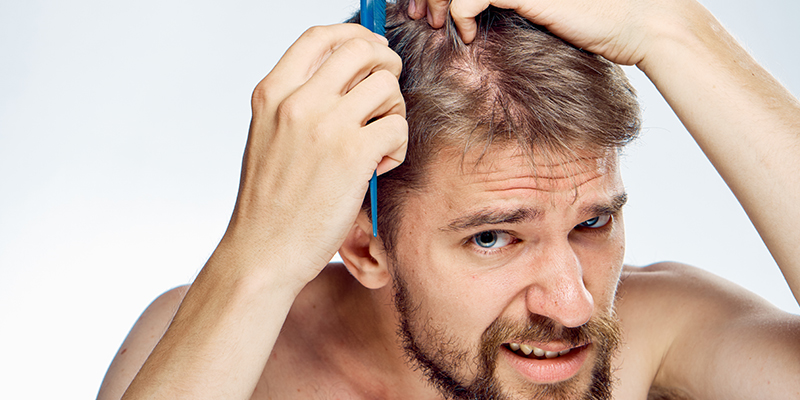
If you’re not getting enough protein, your dermatologist can tell you how to boost your intake. If your dermatologist suspects that the cause of your hair loss could be a disease, vitamin deficiency, hormone imbalance, or infection, you may need a blood test or scalp biopsy. Zinc is an important part of the production of proteins, which are important for hair growth. It also plays a major role in hair tissue growth and repair, while helping to keep oil glands around the follicles working.
Nutritional Supplements
People that consume a large amount of cereal grain, drink a lot of alcohol, and vegetarians are all at a higher risk of zinc deficiency. Another important trace element is selenium, which participates in the synthesis of over 35 different proteins in your body. But another common reason that you might notice thinning or the loss of some of your hair is diet. A niacin deficiency can cause hair to become brittle and lifeless, leading to hair loss. Research has also shown that poor sleep quality is a risk factor for alopecia areata (39). One case report found that a woman who consumed 10–15 paradise nuts, which are very high in selenium, per day for 20 days developed severe health issues and lost all the hair on her head.
Medical Conditions
When treating low vitamin D levels, a doctor will do a blood test every few months to see if a person’s levels are increasing. If a medication is causing a vitamin D deficiency or hair loss, a person should speak to their doctor about alternatives. Reasons for insufficient vitamin D levels include spending more time indoors, wearing a lot of sunscreen, and not eating foods packed with the nutrient. Most claims about the role of vitamin E in hair health revolve around its antioxidant properties and its ability to reduce cell damage. Furthermore, it is linked to the health of hair strands, reducing split ends and breakage. Sadly, many people don’t realize they’re lacking this key vitamin until they see signs like increased hair loss.
Doctors Are “Prescribing” Hypnosis for Sleep, IBS and More Health Woes: How It Works
For most people, the urge to move seems to intensify when they’re relaxing or trying to sleep. Biotot’s spots may improve within 2 weeks of high dose vitamin A therapy, but it’s important to speak with a medical professional before making any significant dietary changes (26). Other common signs of vitamin C deficiency include easy bruising, slow wound healing, dry skin, which may become scaly, and frequent nosebleeds (22, 24). Summary People with mouth ulcers or cracks at the corners of the mouth may want to try consuming more foods rich in thiamine, riboflavin, pyridoxine, and iron to alleviate symptoms.
Best Hair Growth Vitamins of 2024 - Healthline
Best Hair Growth Vitamins of 2024.
Posted: Mon, 25 Mar 2024 07:00:00 GMT [source]
Skin and Hair
While vitamin D complex is essential for optimal development of bones and teeth and resistance to diseases, it is directly linked to hair loss too. Researches have shown that the lack of vitamin D causes hair loss and slows down hair growth cycle. This is considered the most effective treatment for people who have a few patches of alopecia areata, a condition that causes hair loss.
Folate is another water-soluble B vitamin and includes naturally occurring food folate and folic acid (fully oxidized monoglutamate). Folate is a coenzyme in the synthesis of nucleic acids and in amino acid metabolism. It exists in the plasma as 5-methyl-tetrahydrofolate, while about half of the total body content exists in the liver [22, 41]. The recommended dietary allowance of food folate is 400 mcg daily for adults, which is supported by required fortification of some foods in the USA [22]. While most people in the USA ingest adequate amounts of folate, certain groups are at risk for deficiency (usually in association with poor diet, alcoholism, or a malabsorptive disorder).
Folate
A major point when considering supplementation in the absence of known deficiency is that zinc toxicity can occur with excess supplementation. Acute adverse effects include pain, vomiting, and diarrhea, while chronic effects include interaction with iron and reduced immune function [18]. Serum zinc, the most commonly measured index of zinc status, may be impacted by several variables, and the functional effects of deficiency may be observed before serum levels decrease below normal [36]. Patients who take iron supplements without monitoring are at risk for potentially severe complications, as iron supplementation leading to iron overload can cause toxicity. While stress is certainly one contributing factor to the loss or thinning of one's hair, it's far from the only one. Spironolactone (Aldactone) is sometimes prescribed for people who have thinning hair related to aldosterone production (hyperaldosteronism).
Other vitamin D deficiency symptoms
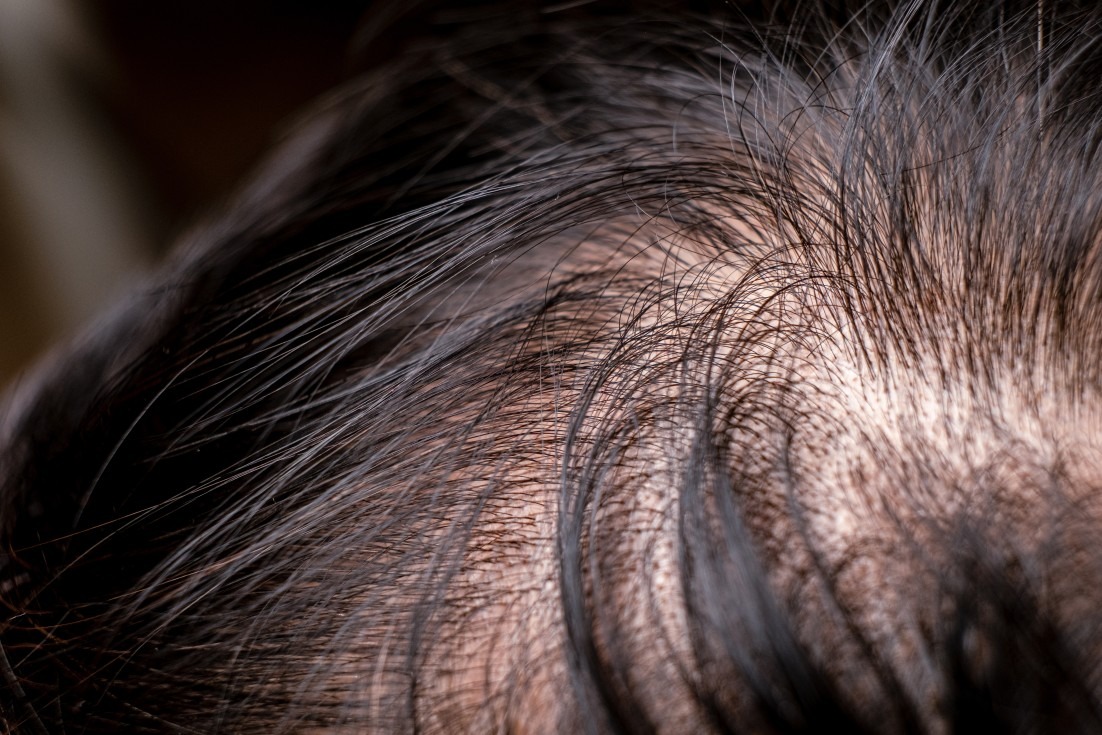
Many women first experience hair thinning and hair loss where they part their hair and on the top-central portion of the head. The recommended dietary allowance for selenium is 55 μg daily for individuals aged ≥ 14 years in U.S. populations. The availability of selenium in a variety of foods, such as meat, vegetables, and nuts, are sufficient to meet the daily requirement [120]. Selenium ingestion in an amount exceeding 400 μg daily may cause toxicity. Symptoms of acute or chronic selenium toxicity include nausea, vomiting, nail brittleness and discolorations, hair loss, fatigability, irritability, and foul breath odor [120].
Are certain types of alopecia linked with nutritional deficiencies?
A deficiency in riboflavin can lead to hair loss, dry hair, and a flaky scalp. This essential vitamin is a key component of coenzymes involved in cell growth, energy production, and the breakdown of fats, steroids, and medications. Genetics plays a significant role in hair thinning, particularly in conditions like androgenetic alopecia (pattern baldness). This type of hair loss is often hereditary and can affect both men and women.
That’s because raw egg whites contain avidin, a protein that binds to biotin and can reduce its absorption (1, 3, 4). On the other hand, a diet lacking in nutrients may cause various unpleasant symptoms or even serious adverse effects. Minimize the use of high-heat styling tools, hair extensions and harsh treatments like perms. Avoid hairstyles like tight buns and braids that pull on your scalp, potentially causing traction alopecia. If you have alopecia, you can help hold onto your tresses by avoiding behaviors that are known to contribute to temporary and permanent hair loss, Mirmirani says.
To do so eat more black beans, avocado, spinach, almonds, pumpkin seeds, and drink yogurt. While you can buy a microneedling device without a prescription, it’s best to check with your dermatologist first. More studies are needed to find out who is most likely to benefit from this treatment and whether these devices cause long-term side effects. Both the CDC and the FDA warn against treating this common childhood condition on your own with non-prescription treatments.
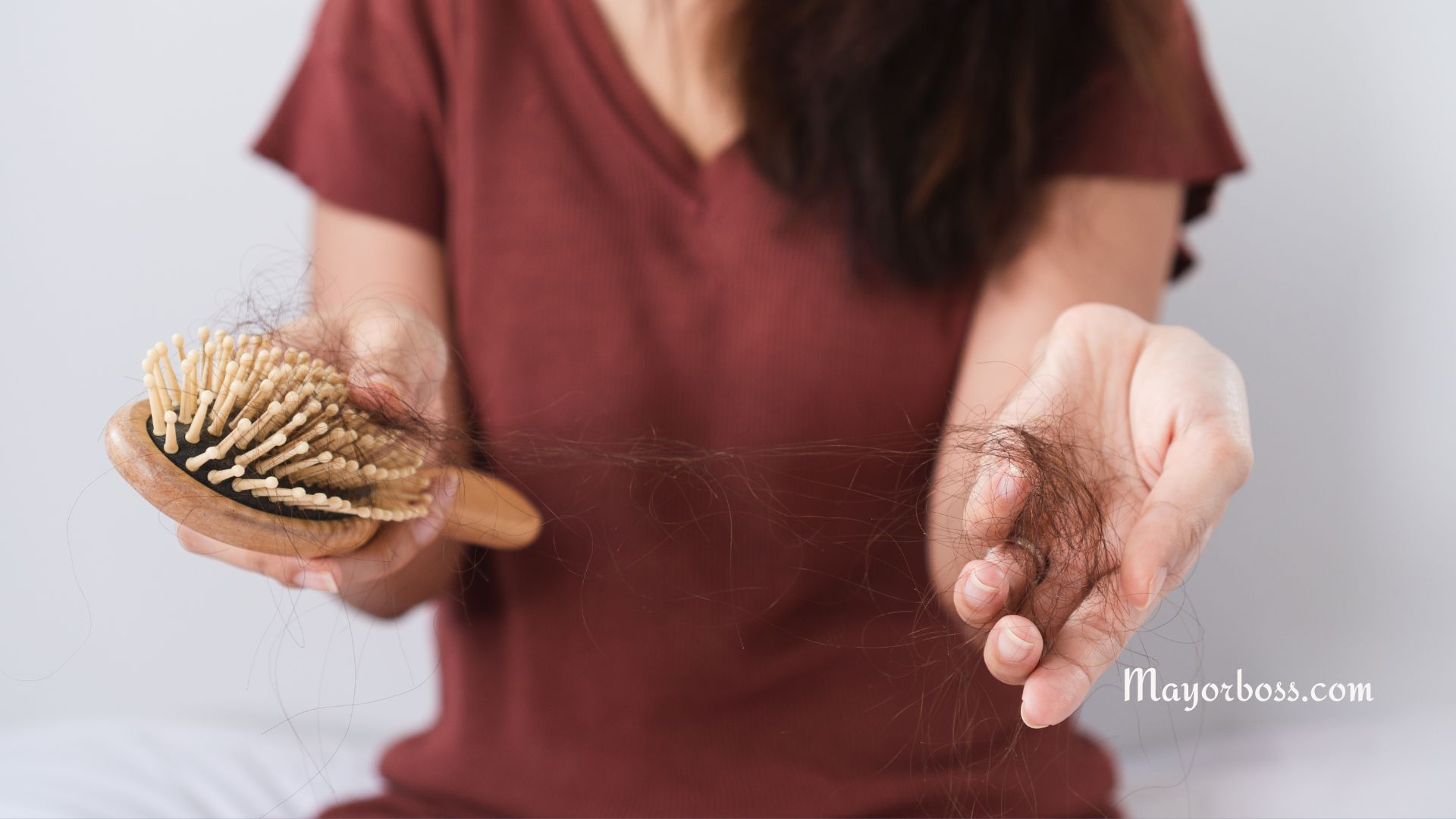
Vitamin D deficiency has been linked to alopecia, the autoimmune condition that causes bald patches on the scalp and other areas of the body. Another study found that women 18 to 45 years old who experienced alopecia or other types of hair loss had low levels of vitamin D. Vitamin B12 deficiency can often lead to hair loss as it affects red blood cell production, which is vital for healthy hair growth. Transitioning from discussing the ideal vitamins for hair loss, it’s important to address the impact of low B12 on hair health. Low levels of vitamin B12 have been linked to hair loss and premature graying, making it a significant factor in addressing hair thinning and alopecia.